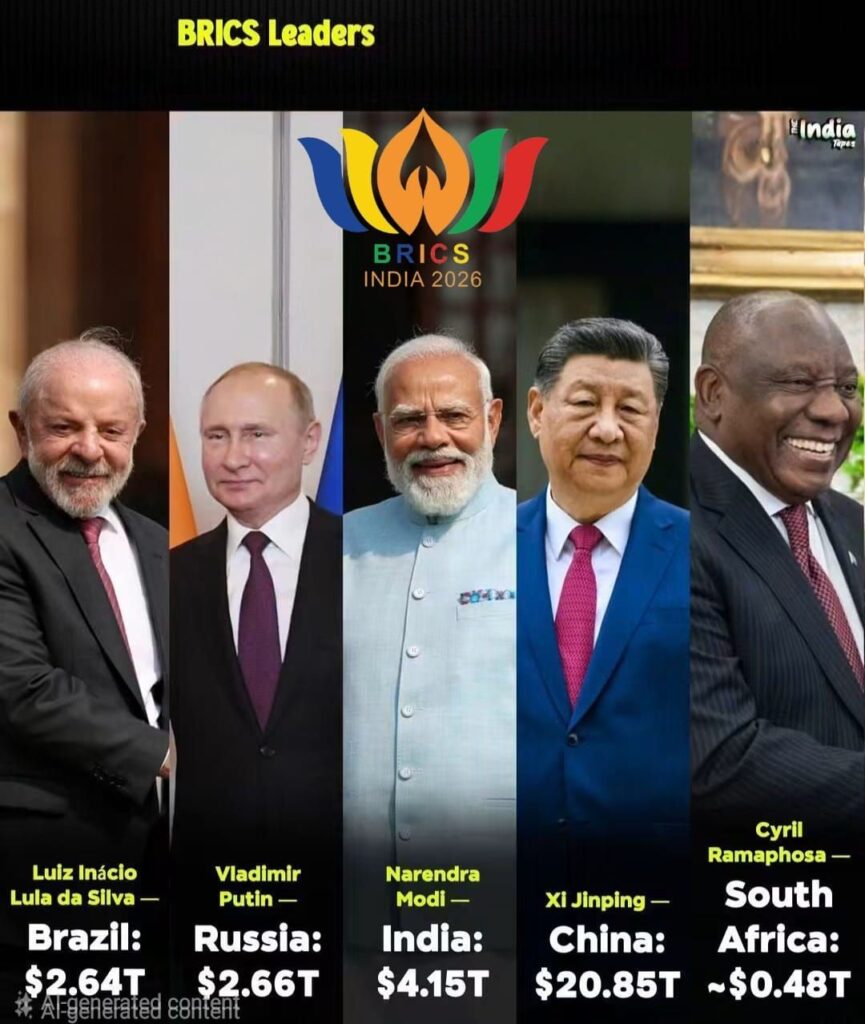
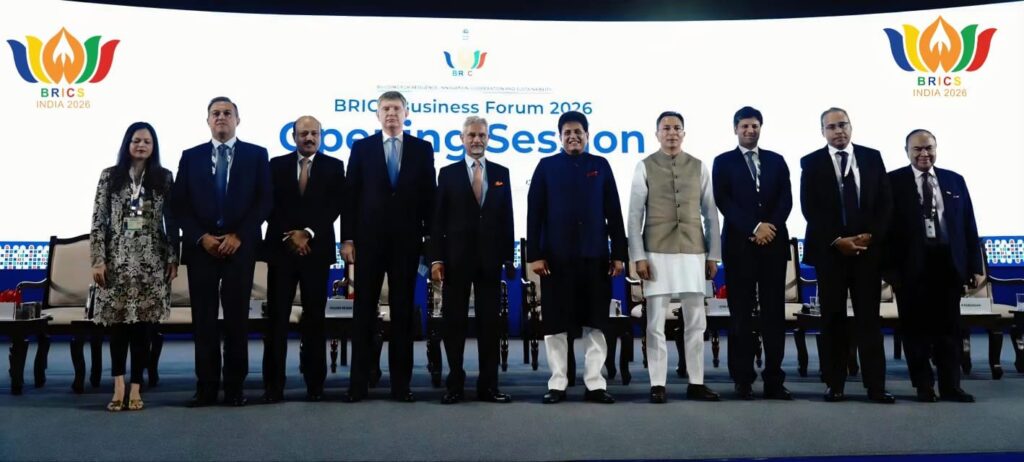
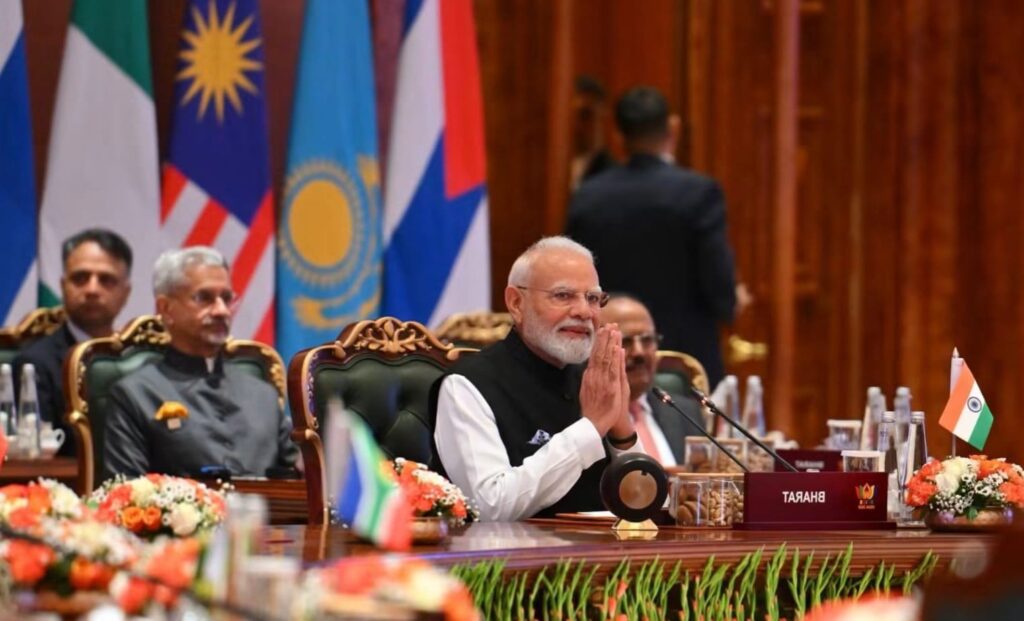
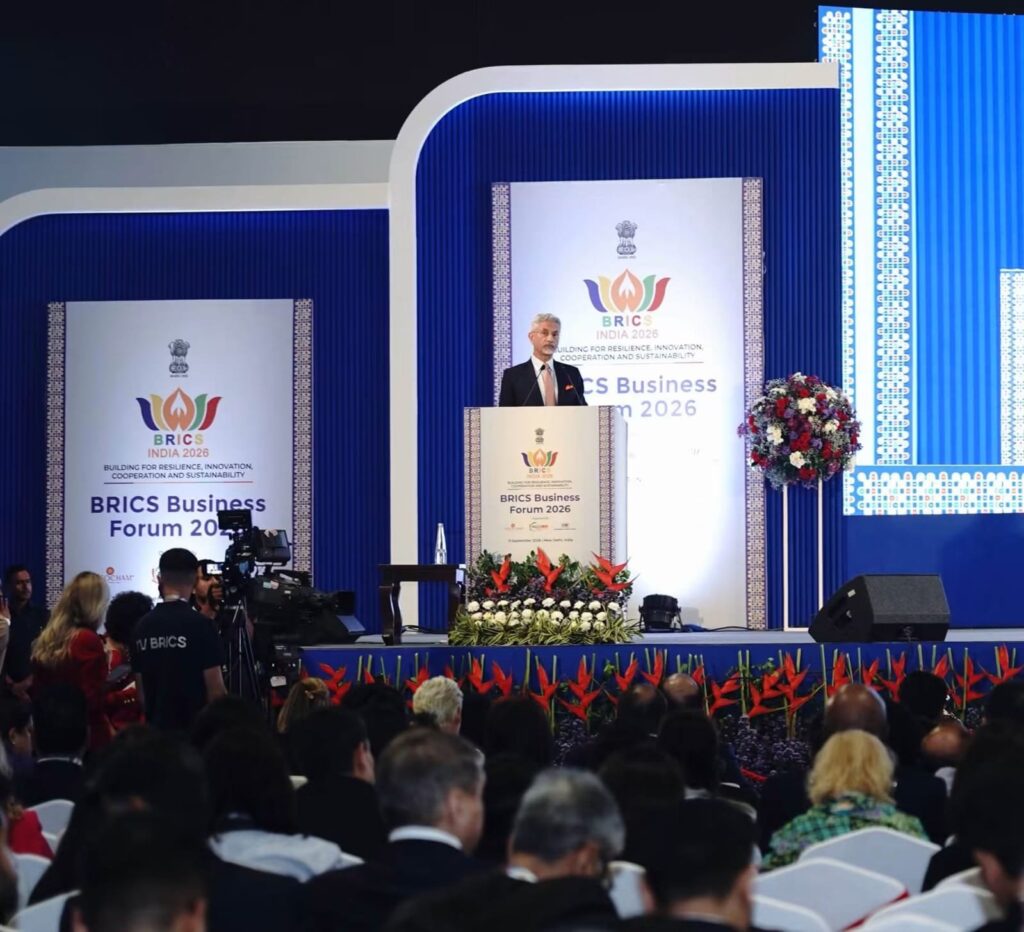
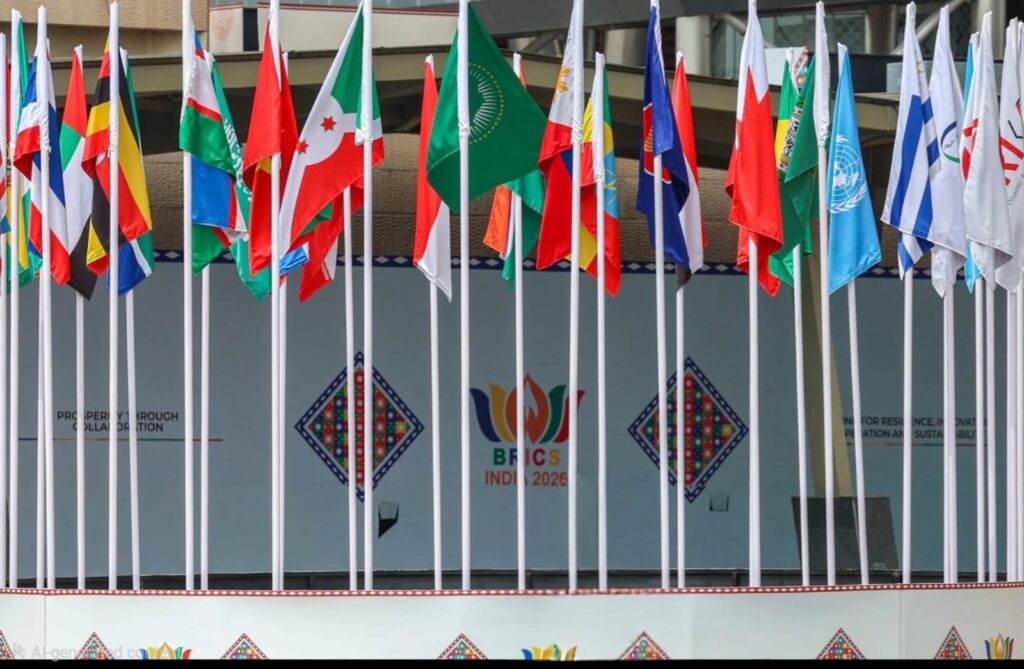
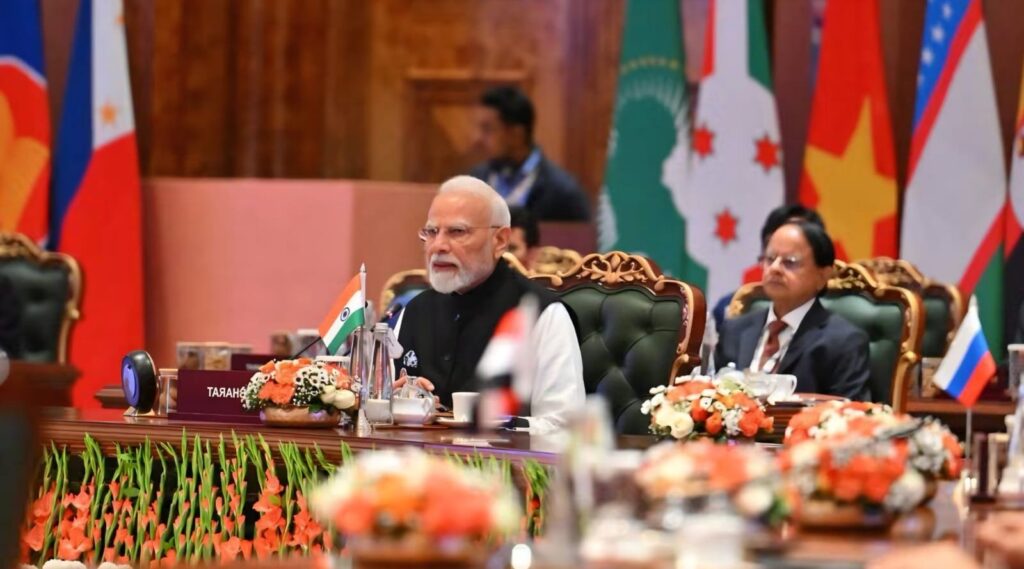
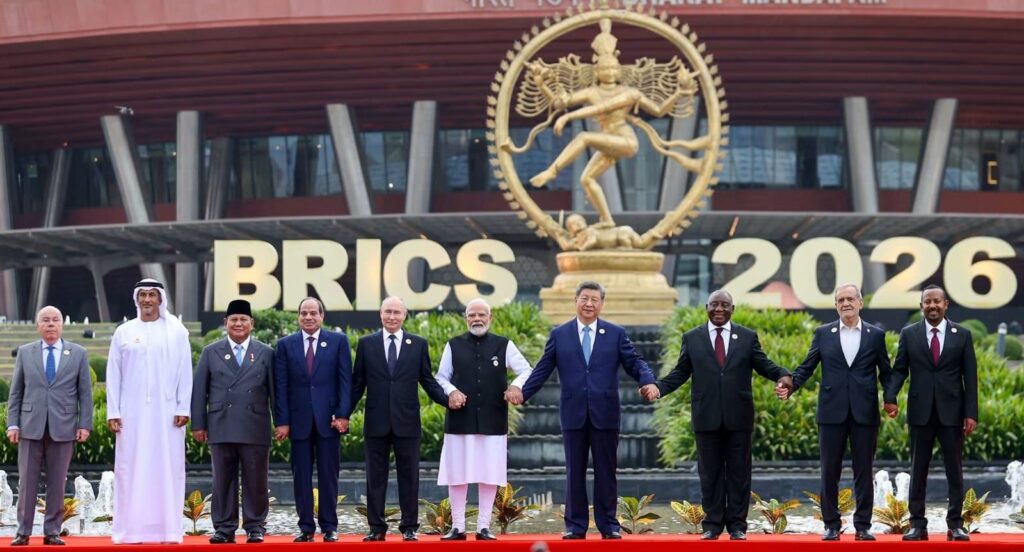
The Rise of a Multipolar Global Economy
B — Business & Investment
R — Regional & Global Trade
I — Innovation & Industrial Growth
C — Connectivity & Cooperation
S — Sustainable Development
BRICS VISION & MISSION
The global economy is entering a new phase—one shaped not by a single centre of economic influence, but by a growing network of emerging markets, regional partnerships and new engines of growth.
At the heart of this transformation stands BRICS.
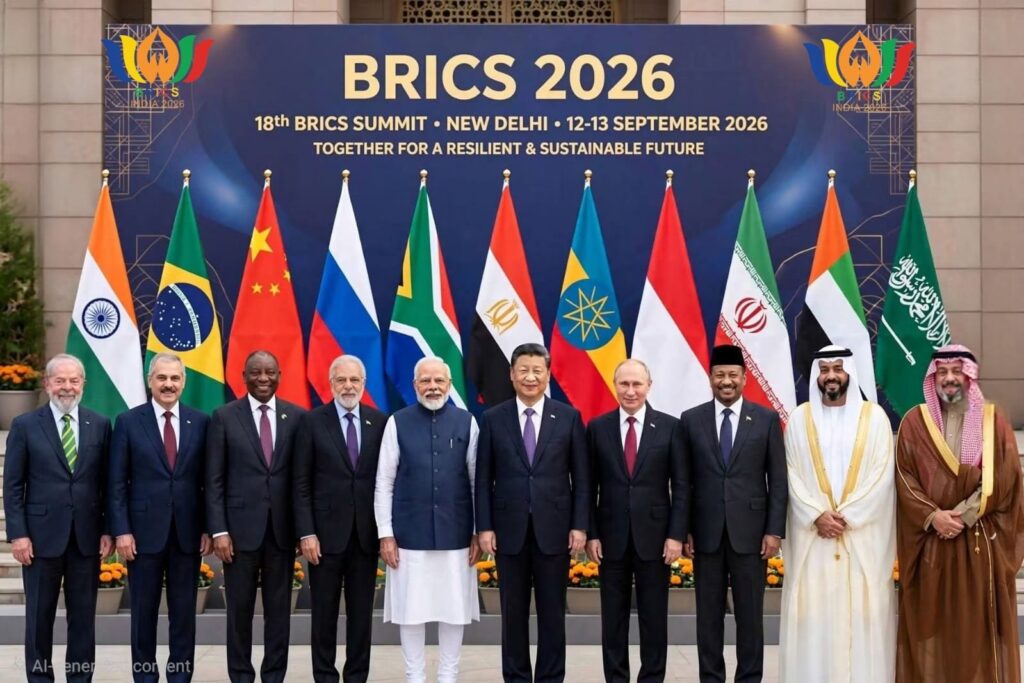
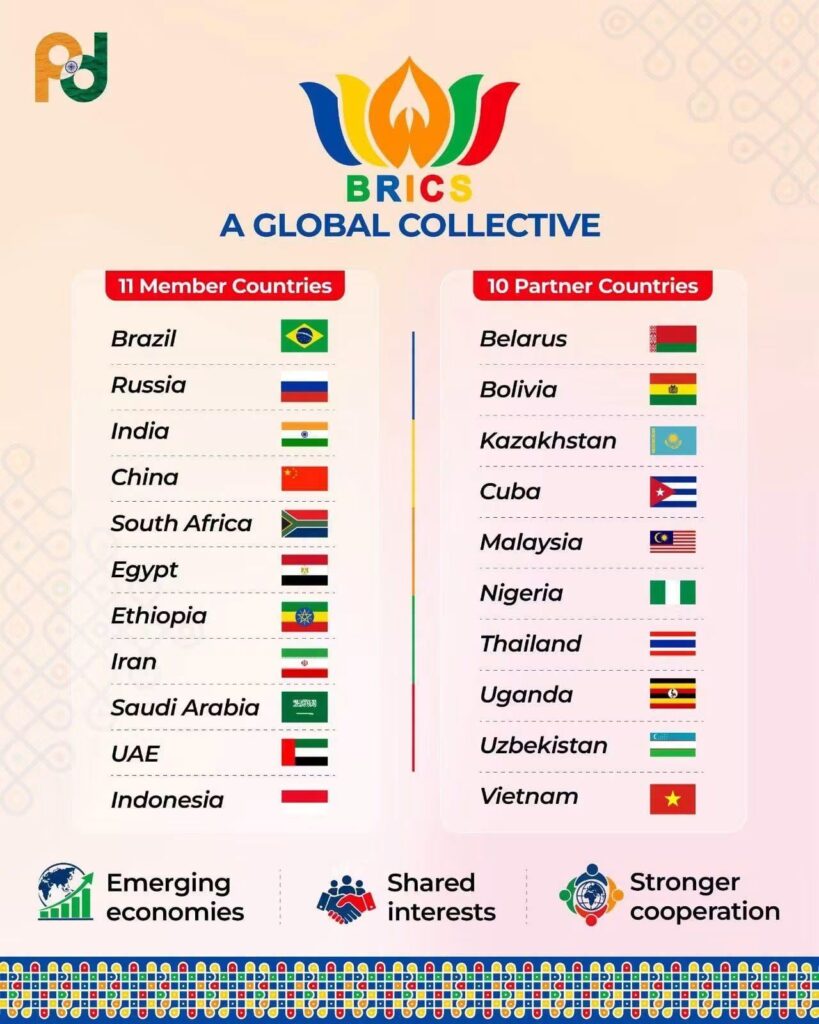
BRICS is increasingly becoming more than a grouping of economies. It represents an evolving platform for dialogue, trade, investment, technology, infrastructure and sustainable development among countries seeking a stronger voice in the global economic architecture.
Its significance lies in its diversity—and in the opportunity to convert that diversity into cooperation.
A VISION BEYOND BORDERS
The vision of BRICS 2026 should be clear: to build stronger economic bridges among emerging economies while contributing to a more balanced, inclusive and resilient global
economy.
This vision begins with business.
Business & Investment must remain a central pillar of cooperation. Emerging economies require greater cross-border investment, stronger capital flows, deeper private-sector partnerships and an environment where enterprises can expand beyond traditional markets.
The second pillar is Regional & Global Trade.
The future of international trade will increasingly depend on interconnected regional markets. Recent developments in India’s engagement with ASEAN demonstrate the importance of this approach. India-ASEAN bilateral trade reached USD 128.38 billion in 2025–26, with ASEAN
accounting for 10.55% of India’s total global trade.
The ongoing review of the ASEAN-India Trade in Goods Agreement also reflects an important principle: trade agreements must ultimately become more balanced, practical, user-friendly and beneficial for businesses.
For BRICS, the message is equally relevant.
Trade should not simply move goods across borders; it should create opportunities across economies.
INNOVATION AS THE NEW ENGINE
The third pillar is Innovation & Industrial Growth.
Technology is rapidly changing the geography of
production. Artificial intelligence, advanced manufacturing, digital infrastructure, renewable energy, semiconductors, logistics and new industrial ecosystems are creating opportunities for countries that can combine innovation with scale.
The next phase of BRICS cooperation can therefore move beyond traditional trade and focus on industrial partnerships, technology collaboration, research, start-ups and resilient supply chains.
The objective should not be to create another closed economic bloc.
It should be to create an open platform through which emerging economies can participate more effectively in the industries of tomorrow.
CONNECTIVITY CREATES ECONOMIC POWER
The fourth pillar is Connectivity & Cooperation.
Physical connectivity—ports, highways, railways, shipping routes and logistics corridors—is only one part of the equation.
Digital connectivity, financial connectivity, energy networks and business-to-business relationships are equally important.
A factory cannot compete globally without reliable logistics.
A start-up cannot scale internationally without access to markets.
An investor cannot enter a new economy without confidence and connectivity.
Therefore, BRICS cooperation must increasingly
connect markets with markets, businesses with businesses and talent with opportunity.
GROWTH WITH RESPONSIBILITY
The fifth pillar is Sustainable Development.
Economic expansion cannot be measured only by GDP, investment or trade volumes. The quality and sustainability of growth matter equally.
Energy security, clean technology, climate-resilient infrastructure, responsible industrialisation and inclusive development will increasingly determine the competitiveness of emerging economies.
The recent East Asia Summit economic discussions around energy security and industrial clusters underline this changing
economic reality: energy, industry, digital demand and trade policy are becoming deeply interconnected.
BRICS has an opportunity to develop cooperation around precisely these intersections.
INDIA'S ROLE
For India, BRICS represents both a responsibility and an opportunity.
India’s economic strength is increasingly linked with its ability to connect domestic growth with international partnerships.
From manufacturing and digital services to infrastructure, pharmaceuticals, renewable energy, financial technology and logistics, India’s economic transformation can contribute to a
wider emerging-market growth story.
India’s engagement with ASEAN provides an important example.
The message from the ASEAN-India economic dialogue is straightforward: strong regional partnerships can become building blocks for stronger global economic participation.
The same principle can guide India’s contribution to BRICS.
THE MISSION OF BRICS 2026
The mission should therefore extend beyond meetings and declarations.
It should be about implementation.
More trade.
More investment.
More industrial cooperation.
More technology partnerships.
More connectivity.
More opportunities for entrepreneurs and MSMEs.
And stronger cooperation on sustainable development.
The real measure of BRICS will not be the number of summits it conducts, but the economic opportunities it creates between those summits.
ONE PLATFORM. MANY ECONOMIES. A SHARED FUTURE.
The rise of a multipolar global economy does not necessarily mean the fragmentation of the
world economy.
It can mean something more constructive: a world economy with more centres of growth, more voices at the table and more pathways for cooperation.
That is where the larger promise of BRICS lies.
Different economies.
Different strengths.
Different markets.
But a shared interest in growth, stability and opportunity.
BRICS 2026 can become a platform where emerging economies do not merely respond to the changing global economy—they help shape it.
And perhaps that is the most important vision of all:
One Platform. Emerging Economies. Shared Prosperity.